Follow-Up: The System That Converts
As of 2026-10-03
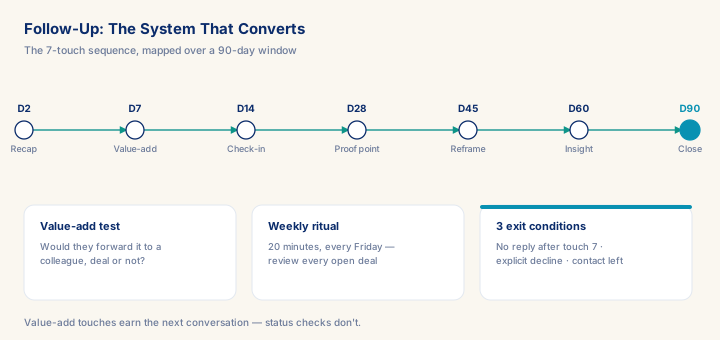
Follow-Up: The System That Converts replaces ad hoc chasing with a disciplined 7-touch sequence run over a 90-day window — the structure independent SAP consultants need because B2B service deals typically require five or more touches before a decision, not the one or two most consultants send before writing a prospect off. Each touch alternates between value (a SAP note, a benchmark, a proof point) and a diagnostic question, so the prospect experiences engagement rather than pressure. The payoff is commercial as well as procedural: a documented follow-up history is the evidence that lets a consultant hold a day rate at close instead of negotiating from a position of eagerness. The module's other job is teaching when to stop — three explicit conditions for marking a deal dead — so pipeline reporting stays honest and energy goes to opportunities that are actually live.
What you will learn
- Design a 7-touch follow-up sequence with specific timing and channel logic for SAP consulting deals
- Distinguish value-add touches from pressure messages and know which to use at each stage
- Maintain a CRM hygiene routine that keeps your pipeline honest and your energy focused
- Decide with clear criteria when a deal is dead and how to close the loop professionally
Why Most Follow-Up Fails — and What to Do Instead
The graveyard of consulting deals is not the lost pitch — it is the follow-up that never happened. Research across B2B service sales consistently shows that 80% of deals require five or more touches before a decision is made, yet the majority of independent consultants send one or two emails and conclude the prospect is not interested. In SAP analytics, where procurement cycles routinely run three to nine months and decision authority is distributed across IT, Finance, and the business, that dropout is fatal.
The error is usually one of framing: consultants treat follow-up as pestering rather than as professional stewardship of a relationship. The shift that changes everything is moving from "I am chasing you for an answer" to "I am the person who consistently brings you useful signal about the problem you are trying to solve." When you make that shift, follow-up stops feeling uncomfortable — for you and for the prospect.
The 7-Touch Sequence: Structure and Timing
Map your sequence to a 90-day window, not to your own impatience. After an initial conversation or proposal submission, a disciplined sequence looks like this:
Prerequisites
- Review core concepts first: C078, C052, C092
Outcomes
- Design a 7-touch follow-up sequence spread over 90 days.
- Use content-based touches (reports, articles, insights) instead of pressure.
- Apply the module's core decision: How many touches before writing a prospect off — choose Run the full 7-touch, 90-day sequence before moving a deal to dead.
- Track mastery with the KPI: Touch completion rate (target: 7/7 touches sent within the 90-day window for every open opportunity; red flag: Fewer than 3 touches sent before an opportunity is marked dead).
Full module available to members. The full module adds: the decision framework · the end-to-end scenario walkthrough · the KPI scorecard · the anti-patterns · the knowledge check · the diagrams.